

Gamers spend billions of dollars every year on virtual skins, armor, and cosmetic upgrades. These purchases do not sit in a closet or fade with time. They live online, where status is seen instantly by other players. In many gaming communities, what your character wears matters more than what you wear outside.
Fashion has always been about signaling taste, identity, and belonging. The same logic now plays out inside games like Diablo II, where rare gear carries social weight. Trading hubs and marketplaces such as D2 items show how digital style has matured into a shared language of value, effort, and prestige.
Fashion Rules Still Apply, Just Digitally
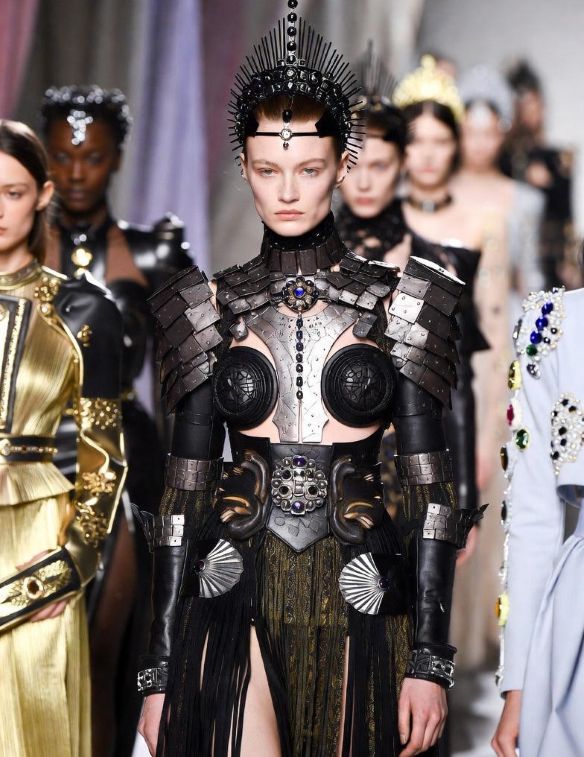
Luxury fashion works because it is scarce, recognizable, and hard to get. A limited sneaker drop or a designer bag sends a message without words. Diablo II gear follows the same pattern. Certain weapons and armor pieces are instantly known by name and look. When they appear on screen, other players notice.
Unlike real-world fashion, digital gear never wears out. It does not depend on body type or season. Its value comes from rarity, history, and demand. Players remember where an item dropped or how hard it was to trade for. That story becomes part of the item, much like a famous fashion collection tied to a moment in time.
Status Is Visible and Always On
Physical fashion has limits. You only show it to the people around you. In games, status is always public. Every dungeon run, trade screen, or lobby becomes a runway. Gear is displayed during action, not posed for photos. That constant exposure makes digital status feel more alive.
In Diablo II, prestige often comes from owning gear that most players never touch. A rare rune word or perfect roll signals dedication and knowledge. It tells others that the player understands the game economy. This mirrors how fashion insiders spot quality details others miss.
The Economy Behind the Look
Fashion thrives on markets, and so does in-game gear. Items are bought, sold, and traded across regions. Prices shift with updates, trends, and player interest. Some pieces spike in value because a new build becomes popular. Others hold steady because their utility never fades.
This system turns gear into assets. Players talk about value the same way collectors do. They track demand and timing. Diablo II items move through hands like vintage watches or rare jackets, each trade adding to their perceived worth.
Identity Over Utility
Many players chase gear that goes beyond raw power. They want pieces that define who they are in the game. A character’s look becomes a signature. Friends recognize it. Rivals remember it. The gear becomes part of the player’s reputation.
Physical fashion tries to do the same thing, but digital spaces remove friction. There is no concern about price tags being seen or judged in real life. Inside a game, style is judged purely on context and effort. That clarity makes digital fashion feel honest to many players.
Why This Shift Keeps Growing
Younger gamers grew up online. Their social lives, hobbies, and achievements exist on screens. It makes sense that style and status followed. Virtual items travel with them across sessions and communities. Physical clothes stay home.
As gaming worlds become more social, digital style carries more weight. It is portable, visible, and tied to skill and time. That mix keeps players invested long after trends change outside the screen.
READ ALSO: Fashion Meets Freedom: Dressing for the Digital Nomad Lifestyle
Conclusion
Fashion has always been about meaning, not fabric. In games, that meaning is coded into gear drops, trade histories, and rarity charts. Diablo II proves that status can be built from pixels as easily as leather or silk. For many players, owning the right digital gear now says more than any outfit ever could, and the value of D2 items reflects that shift clearly.

