

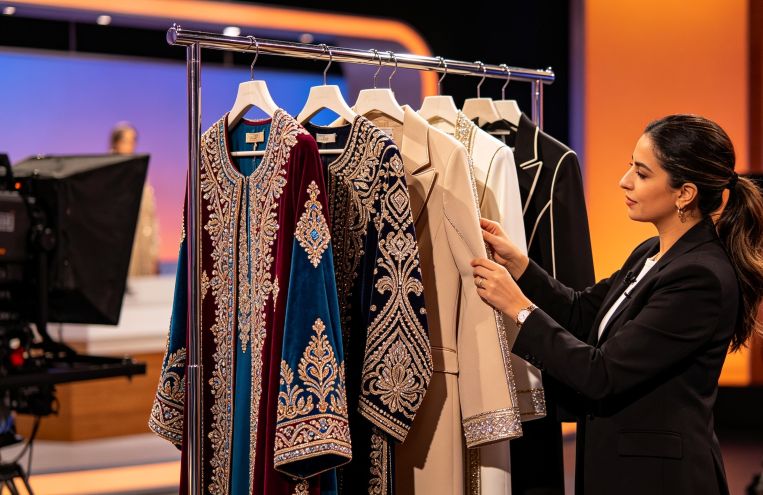
Costume design plays a central role in helping audiences understand characters, social status, historical settings, and cultural traditions across film and television. As more viewers discover Arabic productions through streaming services, the visual language of clothing has become easier to appreciate beyond regional audiences. Many viewers also explore productions through Arabic movie and series platforms, where wardrobes and visual styling often become part of discussions about storytelling, heritage, and artistic direction.
Wardrobe choices influence how audiences understand emotional development. A character’s changing clothing may symbolize confidence, grief, ambition, maturity, or personal transformation. Designers collaborate closely with directors, production designers, cinematographers, and makeup artists to ensure every visual element supports the narrative. Many of these creative principles reflect the skills every fashion designer develops, including attention to detail, adaptability, and a strong understanding of visual storytelling.
Costume as a Storytelling Language
Clothing has always served as a narrative device in filmmaking. A carefully selected outfit can establish a character’s background before any dialogue begins. Designers consider color, texture, silhouette, accessories, and historical references to support the script and director’s vision.
UNESCO recognizes traditional craftsmanship, including textile production and embroidery, as valuable elements of intangible cultural heritage. Research shows that preserving traditional clothing practices helps protect cultural identity while allowing artistic interpretation across modern creative industries. Costume designers frequently draw inspiration from these living traditions while adapting them for contemporary audiences.
Arabic productions often reflect this balance by presenting garments that feel authentic to their setting while remaining visually effective on screen. Whether a story takes place in a historic city, a modern capital, or a rural community, costume design contributes to the realism of the narrative.
A Dialogue Between Tradition and Modern Fashion
One of the most interesting aspects of Arabic costume design is the ongoing conversation between heritage and contemporary style. Traditional garments remain important symbols of identity across many regions, while modern fashion reflects changing lifestyles, globalization, and evolving social expectations.
Historical dramas frequently feature garments inspired by regional dress, including embroidered robes, flowing fabrics, handcrafted jewelry, and distinctive head coverings. Designers often work closely with historians and cultural consultants to ensure visual accuracy. Experts note that historical authenticity strengthens audience immersion while preserving respect for local traditions.
Modern dramas approach clothing differently. Characters working in business, education, technology, healthcare, or media may wear internationally familiar fashion alongside regional influences. This combination mirrors everyday life across many Arabic-speaking countries, where global trends exist alongside longstanding cultural customs.
The contrast between these approaches creates a meaningful visual discussion. Traditional clothing reinforces cultural continuity, while contemporary wardrobes illustrate social change. Neither style replaces the other. Instead, each serves different storytelling goals depending on the narrative.
Regional Identity Through Wardrobe
Arabic-speaking countries include diverse cultures, climates, and artistic traditions. Costume designers carefully consider these regional differences instead of presenting a single visual identity.
Design elements vary according to geography, historical influences, and local craftsmanship. Embroidery patterns, fabric choices, color palettes, and accessories often reflect specific communities or historical periods. These details help audiences distinguish between settings without requiring explicit explanation.
The Metropolitan Museum of Art highlights the richness of Islamic textiles and regional decorative traditions in its collections. Data from museum research demonstrates how fabrics, weaving techniques, and ornamental designs evolved across different parts of the Middle East and North Africa, providing valuable references for contemporary designers.
When costume departments incorporate these cultural details thoughtfully, clothing becomes another layer of storytelling rather than simple decoration.
The Debate Between Historical Accuracy and Creative Interpretation
Costume design often involves balancing authenticity with artistic freedom. This creates an interesting debate within film production.
One perspective argues that productions should reproduce historical clothing as accurately as possible. Faithful reconstruction helps educate audiences while respecting cultural heritage. Historians often emphasize that accurate clothing provides important context about social hierarchy, economic conditions, and daily life.
The opposing perspective recognizes that television and cinema are visual arts rather than museums. Directors and designers may simplify garments, adjust colors, or modernize silhouettes to improve screen presence or emotional impact. Lighting, camera technology, and audience expectations sometimes require practical adaptations.
Many successful Arabic productions find a middle ground. They preserve recognizable cultural features while allowing designers creative flexibility to support dramatic storytelling. This balanced approach helps productions remain accessible without losing their cultural foundation.
Streaming Services Have Expanded Global Appreciation
Digital streaming has transformed how audiences discover Arabic cinema and television. Productions that once reached mainly regional viewers now attract international audiences interested in different storytelling traditions and visual aesthetics.
PwC’s Global Entertainment & Media Outlook indicates that streaming continues to reshape media consumption worldwide by expanding access to international content. Industry analysts observe that viewers increasingly explore productions from multiple languages, creating greater exposure for regional filmmaking styles.
As audiences encounter more Arabic series and films, costume design receives greater attention. Online discussions frequently examine historical costumes, wedding attire, contemporary fashion choices, and regional textiles featured throughout productions.
This increased visibility encourages appreciation for cultural diversity while creating opportunities for designers to showcase craftsmanship inspired by local traditions. International viewers often discover unfamiliar clothing styles through dramatic storytelling rather than fashion publications alone.
Why Costume Design Matters Beyond Fashion
Wardrobe choices influence how audiences understand emotional development. A character’s changing clothing may symbolize confidence, grief, ambition, maturity, or personal transformation. Designers collaborate closely with directors, production designers, cinematographers, and makeup artists to ensure every visual element supports the narrative.
Color psychology often plays a role as well. Neutral shades may communicate restraint or realism, while brighter colors can emphasize celebration, optimism, or cultural festivities. Fabric movement, accessories, and tailoring further reinforce personality and social context.
These visual decisions become especially meaningful in productions exploring identity, migration, family relationships, or generational differences. Clothing quietly communicates themes that dialogue alone cannot fully express.
READ ALSO: The New Gateway to Seoul’s Hottest Fashion Deals Lies in Address Collection Sites
Conclusion
Costume design remains one of the strongest visual storytelling tools in modern Arabic films and television series. Traditional garments preserve cultural memory, while contemporary wardrobes reflect changing societies and evolving artistic expression. The dialogue between these approaches creates richer narratives that resonate with diverse audiences.
Streaming platforms have expanded international access to Arabic entertainment, allowing viewers to appreciate regional costume traditions, textile craftsmanship, and visual storytelling in greater depth. As global audiences continue discovering Arabic streaming libraries and television collections, costume design will remain an important bridge connecting cultural identity, historical heritage, and creative filmmaking across borders.

