

Global sports audiences now reach into the billions, with major events like the FIFA World Cup and the NBA Finals drawing viewers from nearly every continent. Every game is more than competition. It is a live runway where athletes, coaches, and even fans showcase styles that ripple far beyond the stadium.
The rise of digital streaming has amplified this effect. Through platforms offering Sports Broadcast (스포츠중계), fans watch matches in high definition, replay key moments, and share screenshots across social media. That constant visibility turns jerseys, sneakers, and sideline outfits into cultural symbols. When a star player walks into the arena wearing a bold jacket or debuts a new signature shoe, millions see it instantly. Repetition builds familiarity, and familiarity often drives demand.
Athletes as Style Icons
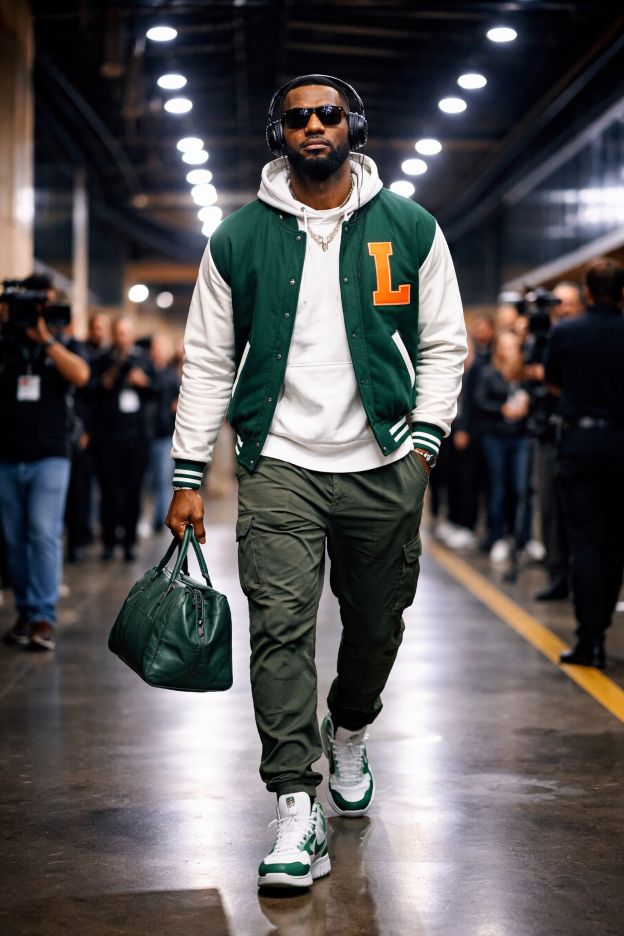
Professional athletes have long shaped fashion. Michael Jordan’s partnership with Nike in the 1980s created the Air Jordan line, which remains one of the most influential sneaker brands in history. Decades later, players like LeBron James and Cristiano Ronaldo continue that legacy. Their game-day uniforms matter, but so do their tunnel walks, press conference outfits, and social media posts.
Basketball in particular has blurred the line between sport and street style. The NBA’s relaxed dress code, introduced in 2018, allowed players to express themselves more freely. Cameras capture every arrival, and fashion blogs quickly break down each look. Sports Broadcast coverage ensures these moments reach global audiences within seconds. Young viewers in Manila, London, or São Paulo can see what athletes wear and seek similar pieces online.
The Power of the Team Jersey
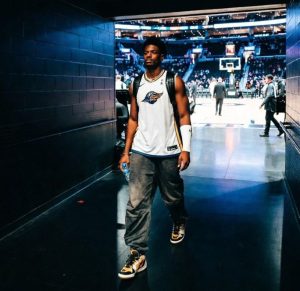 Team kits once belonged mainly in stadiums. Today, they are everyday wear. Football clubs like FC Barcelona, Manchester United, and Paris Saint-Germain sell millions of shirts each year. Collaborations with designers have pushed jerseys into luxury spaces. Paris Saint-Germain’s partnership with the Jordan brand is a strong example. The club crest appears on streetwear worn far from match day.
Televised matches play a key role. Close-up shots highlight fabric details, sponsor logos, and special edition designs. Limited releases tied to tournaments create urgency. Fans watching a championship game may decide to buy the same jersey they see lifting a trophy. Exposure through sports broadcast platforms reinforces brand recognition. The more viewers see a design, the more it feels essential.
Sideline and Off-Field Influence
Coaches and commentators contribute to the trend cycle as well. Pep Guardiola’s tailored coats and Gareth Southgate’s waistcoats sparked online discussions and retail spikes during international tournaments. These looks gained traction because cameras returned to them again and again. Broadcasters know that style draws attention, so they frame it clearly.
Off-field footage matters just as much. Pre-game arrivals, locker room celebrations, and post-match interviews offer extra style moments. Athletes often wear sponsored apparel during these segments. When viewers repeatedly see a brand associated with victory or charisma, the emotional link strengthens. That connection influences buying behavior more than traditional advertising.
From Performance Wear to Everyday Fashion
Sportswear brands design products for performance, yet many end up as lifestyle staples. Adidas tracksuits, Nike hoodies, and retro windbreakers have crossed into casual wardrobes. The shift happens gradually. A jacket first appears during warmups. Then it shows up in highlight reels. Soon, influencers adopt it. Streetwear culture absorbs it.
This pattern reflects a broader cultural shift. Comfort now ranks high in fashion priorities. Remote work and urban lifestyles favor sneakers over formal shoes. Sports aesthetics fit this mood. Clean lines, bold logos, and breathable fabrics appeal to a generation that values movement and flexibility.
Data supports this link between visibility and sales. After major tournaments, online searches for team jerseys and player-endorsed shoes often spike. Retailers prepare inventory around big events for this reason. When a player delivers a historic performance, merchandise sales can surge within hours. Sports Broadcast exposure acts as a catalyst, translating emotional moments into consumer action.
Global Reach, Local Impact
Streaming technology has erased many geographic barriers. A teenager in Southeast Asia can follow the English Premier League as closely as someone in Manchester. That shared viewing experience creates shared fashion references. Street markets and shopping malls around the world display the same club shirts and sneaker releases seen on screen.
Local designers also draw inspiration from global sports visuals. Elements like oversized numbers, mesh fabrics, and varsity lettering appear in independent labels. The influence flows both ways. Grassroots street culture can inspire athletes, who then showcase similar looks during widely viewed broadcasts.
READ ALSO: The New Gateway to Seoul’s Hottest Fashion Deals Lies in Address Collection Sites
Why Repetition Matters
Marketing experts often say that repeated exposure builds trust. Sports coverage delivers that repetition naturally. Matches occur weekly. Highlight clips circulate daily. Each appearance reinforces the visual identity of teams and athletes. Over time, what began as functional gear becomes a fashion statement.
Consumers rarely separate performance from style anymore. A basketball jersey might represent team loyalty, personal identity, and trend awareness all at once. As long as fans continue tuning in to Sports Broadcast events across television and streaming platforms, sportswear will keep shaping mainstream fashion. The screen has become the new runway, and every match offers another look that could define the next global trend.

